


As world moves away from oil, producer nations face a looming security crisis: Experts
Oil-dependent countries such as Nigeria, Algeria, Iraq and Libya face severe fiscal shocks as global demand is expected to peak in the early 2030s
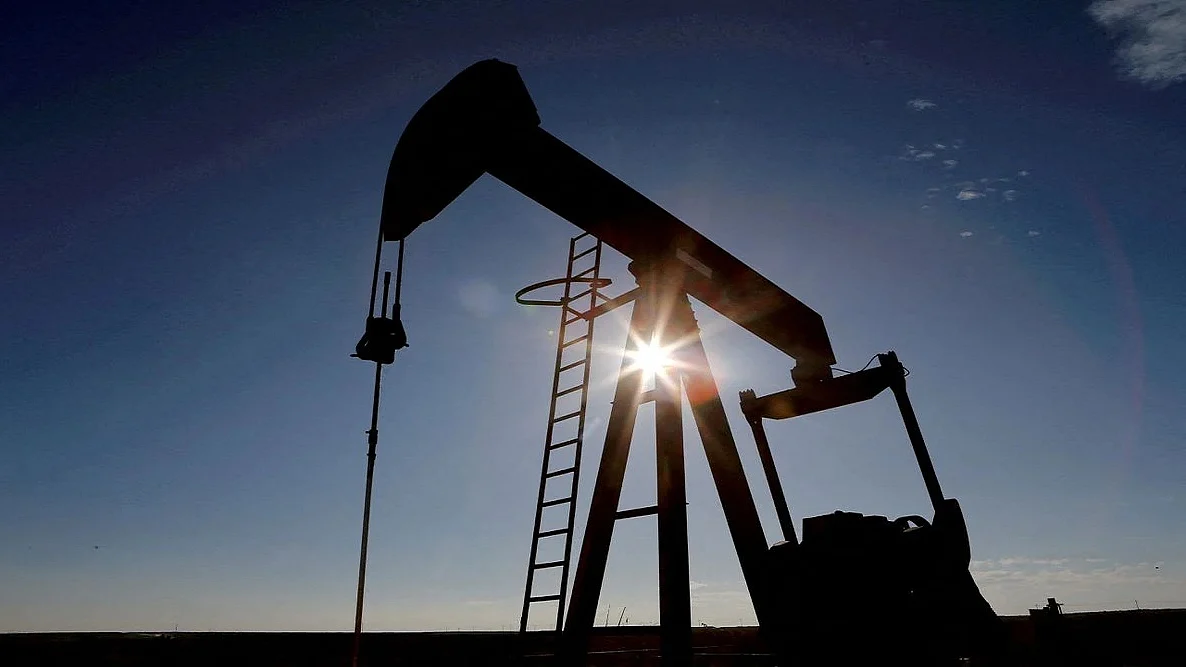


The global transition away from oil could trigger conflict, migration and economic upheaval in vulnerable oil-producing countries unless governments act urgently to help them prepare for falling revenues, a new report by thinktank E3G has warned.
The report identifies countries including Nigeria, Iran, Angola and Algeria as particularly exposed because their governments rely heavily on oil income to fund public services, while their economies lack sufficient diversification and financial reserves to absorb a prolonged decline in revenues.
Global oil demand is expected to plateau over the coming decade, with a peak likely in the early 2030s. As demand falls, producers will compete for a shrinking pool of buyers, with low-cost producers such as Saudi Arabia and the United Arab Emirates expected to be better placed to retain their market share.
E3G compiled its findings over two years, including through exercises that modelled different scenarios for declining oil demand with more than 100 public servants and experts worldwide.
The report warns that oil revenues could begin falling sharply from 2030. It forecasts an 87% decline in Algeria's oil revenues and a fall of more than 60% in Nigeria.
Oil accounts for more than 40% of government revenue in 17 countries. In Iraq and Libya, it contributes between 70% and 90% of government income, leaving their public finances particularly vulnerable to a sustained fall in demand and prices.
Beth Walker, a co-author of the report, said governments were not adequately preparing for the potential consequences.
“The transition becomes riskier for everyone when oil producers are left to adjust on their own, and oil markets left to manage themselves. Producer fragility becomes a global security risk,” she said.
Algeria is highlighted as a particular concern because of its proximity to Europe and its heavy reliance on the European Union as an export market. A major loss of state revenue could create pressure on public services and increase the risk of unrest and migration.
The report also warns of different consequences elsewhere. Iraq could face a more fragile political settlement with implications for Gulf stability, while weaker state capacity in Nigeria could have repercussions across Africa. In Libya, competition over oil infrastructure could increase security risks extending into Europe.
Debt could further compound the problem. Angola and Mexico already spend more than a quarter of their government revenue servicing public debt, according to the report.
However, researchers stressed that their findings are not an argument for slowing the transition away from fossil fuels. Maria Pastukhova, another co-author, said delaying the transition could prove even more destabilising.
“A slow but chaotic transition can be just as destabilising as a fast one, maybe even more so,” she said.
The report calls for the International Monetary Fund, World Bank, governments and private financial institutions to coordinate support for vulnerable producers. It argues that assistance should be treated not only as development or climate policy but also as part of foreign and economic security strategies.
China, the world's major source of additional oil demand over recent decades, is already seeing consumption decline, partly because of rapid electric vehicle adoption. India, however, remains less certain and could play a pivotal role in determining how quickly global oil demand falls.
Researchers argue that major oil-consuming countries should communicate more clearly about future demand and help producers diversify before falling revenues create deeper economic and political instability.
Join our official telegram channel (@nationalherald) and stay updated with the latest headlines